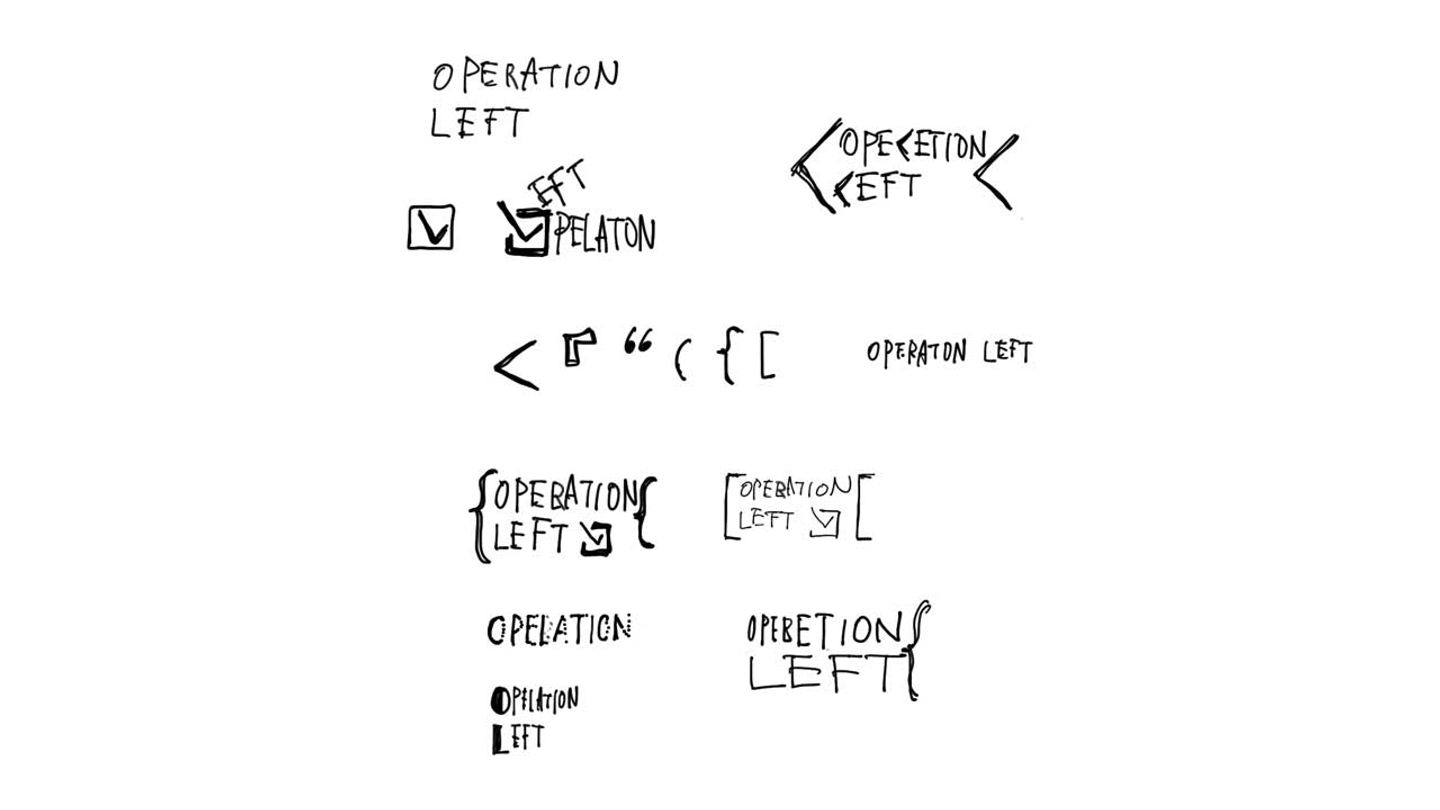
I wrote this to sort out, for myself, why I made the collection of episodes called OPERATION LEFT that I have been posting on TALES(a Japanese story-posting platform), along with the path that led me there and what I was thinking along the way.
The beginning
The first major catalyst was my decision to leave my job.
I intended to look for another ordinary job, but during the stretch from using up my paid leave to becoming officially unemployed, I also found myself wondering whether there might be some way to make a living that would let me quietly get by without having to rejoin society.
Once I began looking into that sort of thing, YouTube started recommending thumbnails with the feel of late-night infomercials or dubious business books. I decided to try things even if the information looked suspicious, experimenting with coloring books, videos, and various other ideas. Somewhere among them was the claim that “POD shops aimed at overseas customers can make good money.” I followed that impulse, and before long, I had at least managed to build a shop.
Apparently, just putting things in a shop is not enough
Even after making designs and putting them in the shop, something felt off.
“These probably aren't going to sell just sitting here, are they?”
But having come this far, turning back seemed like a waste.
That said, I am just some amateur you might find anywhere. I do not have professional skills. I do not know the rules for making a design or how to turn one into something people will buy. I keep calling what I make “design,” but I am not even entirely sure what “design” is in the first place.
Then one day, while shopping in town, I vaguely realized something: apparently, how “something for sale” is presented matters quite a lot.
When I am thinking up a design, a hazy setting tends to appear around it:
- What sort of place might this design exist in?
- Who might use it?
- What kind of background might it have emerged from?
I casually began writing text, wondering whether combining the design with this setting-like material might change how it looked, at least a little.
Don't sweat the small stuff
At first, I thought a small amount of text beside the product description would be enough.
I had something like the flavor text on a trading card in mind.
I was being rather naive, casually talking about “a small amount” being “enough.” Once I actually tried writing it…
Make it short, and it stops making sense or the atmosphere feels wrong.
Leave things in, and it feels needlessly long and unfocused.
I spent less time writing than I did sitting in front of the screen worrying about it.
“This is getting annoying. Fine, it can be long.”
I had heard copywriting was difficult, but perhaps saying something briefly is an especially advanced skill.
I am Japanese
The shop is aimed at North America, so naturally, the text has to be in English. Unfortunately, I know next to no English. “This is a pen,” plus perhaps a tiny bit more.
You would think that someone opening a shop for an overseas audience might realize that reading and writing English would be important. Somehow, it had not concerned me.
So, inevitably, my method became: write the story in Japanese, then use cutting-edge technology to translate it. A sort of hybrid strategic approach made possible by the times we live in.
The trouble with this method was that the Japanese text could exist only on my hard drive.
It seemed a waste, so I put it somewhere
It felt rather sad that text I had put at least some effort into writing would never catch anyone's eye. Still, posting it here on this blog did not feel quite right. I worried about that for a while, but the original goal—creating English text—had been achieved, so I decided that was good enough for the time being.
Then, by chance, I came across TALES.
It described itself as a “story-posting platform,” so I initially assumed it was only for proper fiction. But it did not seem quite that strict. Looking for another suitable place sounded like a nuisance, and I already had a note account, so I decided to try using it.
That is how I began experimentally posting the OPERATION LEFT episodes on TALES.
Long does not mean easy
I somehow managed to shape the writing into finished pieces, but that did not mean longer text was easier. Whether long or short, difficult writing is still difficult.
I have written only a few pieces so far, but alongside the depth and difficulty of writing, I have begun to glimpse some of its appeal. Having gone from only reading to writing as well, every piece of text in the world now looks a little different to me.
The goal is to sell designs, so I cannot spend all my time on the writing. Still, combining the two seems to make ideas arise more clearly and easily, so I intend to continue in this form for a while longer.
Still somewhere along the way
I never imagined the project taking its current form. After repeatedly changing direction and making things up as I went, it stopped looking like the straightforward “Oh! Japanese!” sort of shop I had vaguely pictured at the beginning.
I do not know whether this is leading toward the right answer. In the end, I may simply have added a few extras without solving the fundamental problem. There are probably other ways I need to improve the presentation, so it will be quite some time before I know the result.
Shop
Studio Asahi
Where the episodes are posted
JP: OPERATION LEFT | TALES
EN: OPERATION LEFT – StudioAsahi
DID YOU ENJOY THIS ARTICLE?
制作活動を支援する / Support my work
文章、アート、デザイン、個人開発を続けるための支援を、コーヒー一杯分から受け付けています。 / Help me keep making essays, art, design, and independent software.

Information